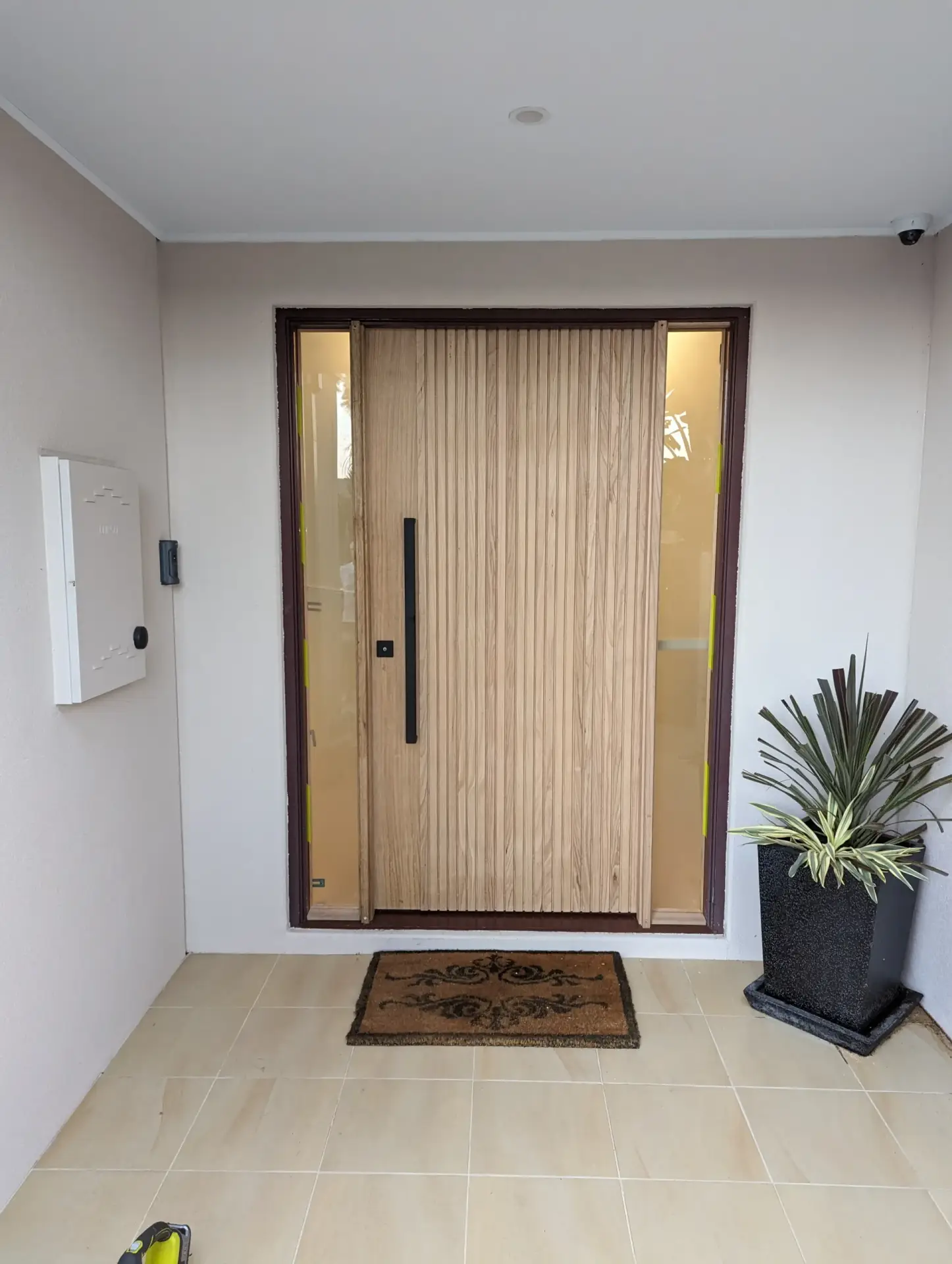
Door Problem
Swollen Door? Door Won’t Close? Here’s the Real Solution
Planing and sanding are temporary. The timber absorbs moisture, swells back, and you’re fighting the same battle next winter. Standard replacement from $1,350 inc GST supplied and installed. StormBloc™ from $2,200 inc GST supplied and installed. Final price depends on door size, frame condition, and extras identified in your photos.
What’s included in every supply & install quote:
- Delivery to your door
- Professional installation by our own team
- 3 × premium hinges
- Zanda Zenith entrance set (handle + deadbolt, keyed alike)
- Old door removal & disposal
- Full site clean-up
- 2-year workmanship warranty on the install
Final price depends on door size, frame condition, and extras identified in your photos.
The Cause
Why Doors Swell
Timber is porous. It absorbs moisture from rain, humidity, and condensation, and when it does, the fibres expand. That expansion is the swelling that makes your door jam, rub on the frame, scrape the floor, or refuse to close altogether.
Melbourne makes this worse. Winter brings months of rain and high humidity. The timber soaks it up and the door grows. Summer dries it out and the door shrinks. That seasonal cycle puts constant stress on the material, and it compounds year on year. A door that jammed slightly in its first winter will jam harder in its fifth.
The swelling is rarely even across the door. Different parts absorb moisture at different rates depending on grain direction, paint condition, and which edges are exposed. That uneven absorption causes warping and twisting on top of the general expansion.
Doors near wet areas inside the house cop it from both sides. Bathrooms, laundries, and kitchens push warm humid air against one face while rain and condensation hit the other. Doors without proper edge sealing on the top and bottom absorb moisture fastest there, because those edges are often left bare during manufacture.
If your door won’t close properly, or if it closes but won’t latch, or if you have to lift the handle and lean into it, moisture absorption is almost certainly the cause.
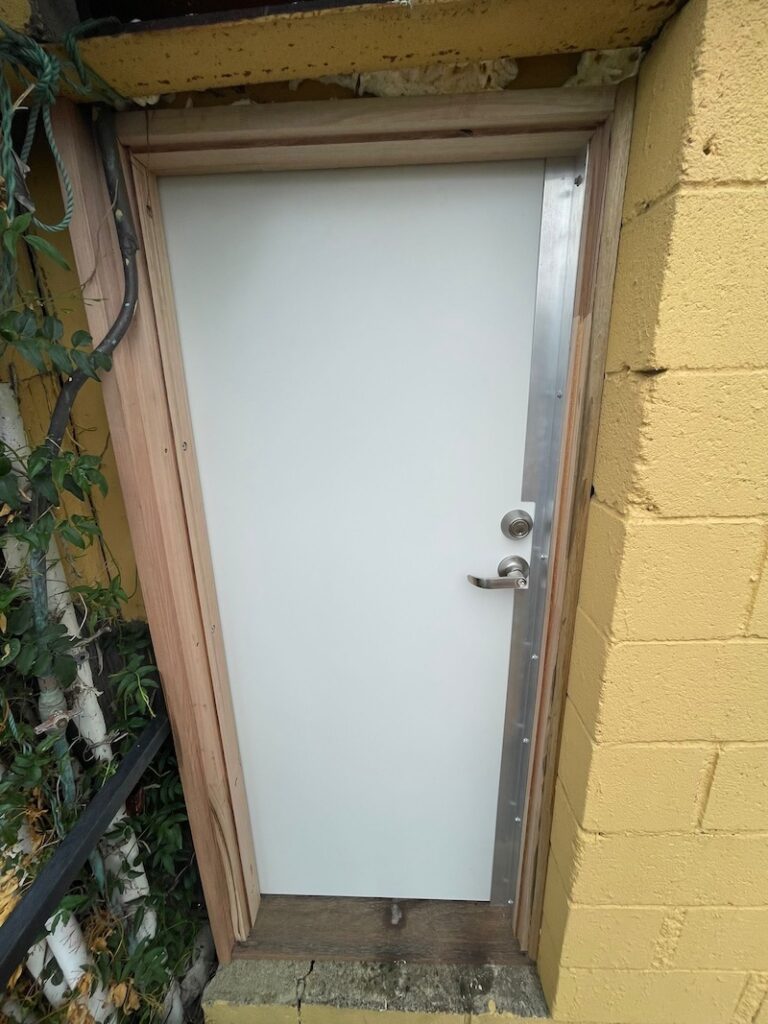
The Wrong Fix
Why Temporary Workarounds Don’t Last
These are all reasonable things to try. We understand why people reach for them. But none of them solve the underlying problem, and some make it worse.
- Planing or sanding the edges. This is the most common approach. You shave material off the edges to create clearance. It works for a while, but the door swells back because the timber hasn’t stopped absorbing moisture. After two or three rounds of planing, the door rattles in dry weather and jams in wet weather.
- Shaving the bottom. Same principle as planing the edges, with an added problem. The bottom edge seal is part of what keeps moisture, draughts, and insects out. Cutting it down compromises that seal and can actually accelerate moisture ingress from below.
- Repainting or resealing. If the door has already absorbed moisture, painting over the top traps that moisture inside the timber. The core continues to degrade even though the surface looks fresh. Repainting works as preventive maintenance on a dry, sound door. On a door that’s already swollen, it’s locking the problem in.
- Adjusting the hinges. Moving the hinges compensates for the door’s changed shape, but the door keeps changing. You’re chasing a moving target. And the hinge adjustments themselves weaken the screw holes over time, particularly in soft or moisture-damaged timber.
The fundamental issue is simple: a timber door that absorbs moisture will keep swelling. No surface treatment or hardware adjustment changes that property of the material.
The Tipping Point
When to Replace
There’s a point where another round of planing stops making sense. If more than a couple of these apply to your door, you’ve reached it.
- The door has swollen and jammed more than once across different wet seasons
- You’ve already planed or sanded the edges at least once
- There are visible signs of damage: cracking paint, soft spots, discolouration, or peeling at the edges
- Gaps appear in dry weather from previous planing, letting in draughts and reducing security
- The door no longer latches or locks properly
- The frame itself is showing wear marks, paint damage, or compression from the swelling door pushing against it repeatedly
If the door is cycling between too tight and too loose with the seasons, and each cycle is a little worse than the last, the timber has lost its stability. Reworking it is just resetting the clock for six months.
The Permanent Solution
StormBloc™ with RotGuard™
Not a better timber door. An engineered system that eliminates the moisture absorption that causes swelling in the first place.
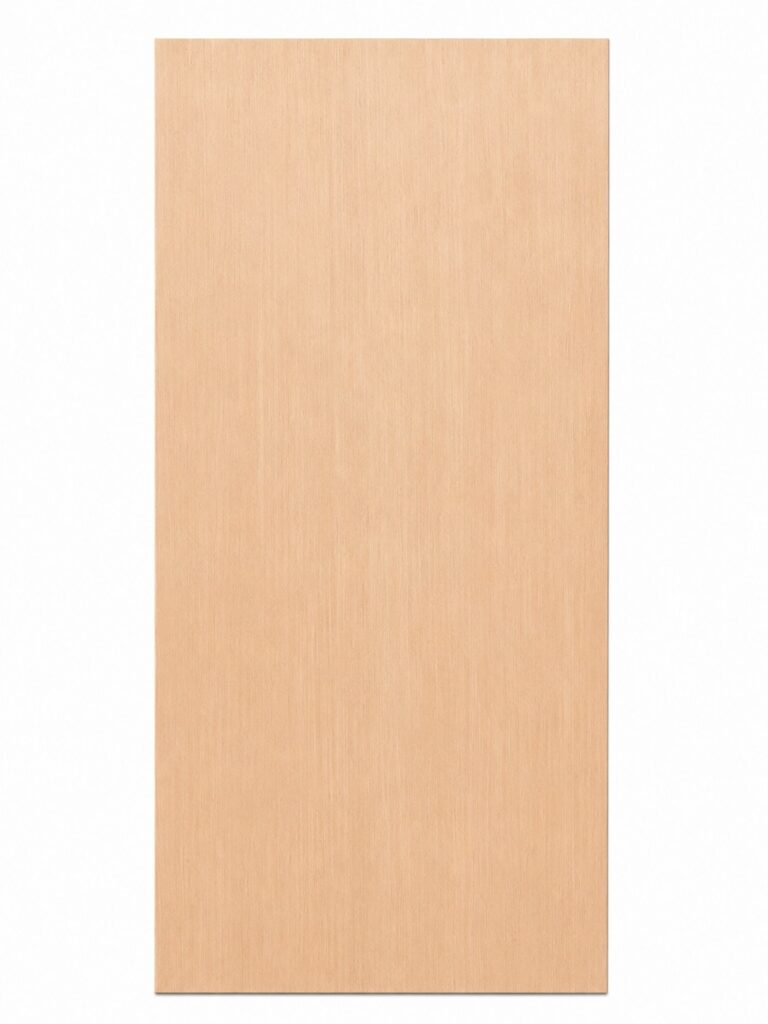
Colorbond® Steel Face
The external face is steel, not timber. Steel does not absorb moisture. It doesn’t swell in winter or shrink in summer. The door that fits your frame in July fits identically in January.
RotGuard™ Perimeter
All four edges treated with RotGuard™, including the critical bottom. The end grain that normally absorbs moisture is sealed and protected before the door leaves the workshop.
Dimensional Stability
An engineered composite core maintains its shape regardless of humidity changes. No seasonal swelling, no warping, no twisting. The door fits the same way every day of the year.
Zero Maintenance
No repainting. No resealing. No seasonal planing. No maintenance schedule. The door works the same way every day of the year regardless of what Melbourne’s weather does.
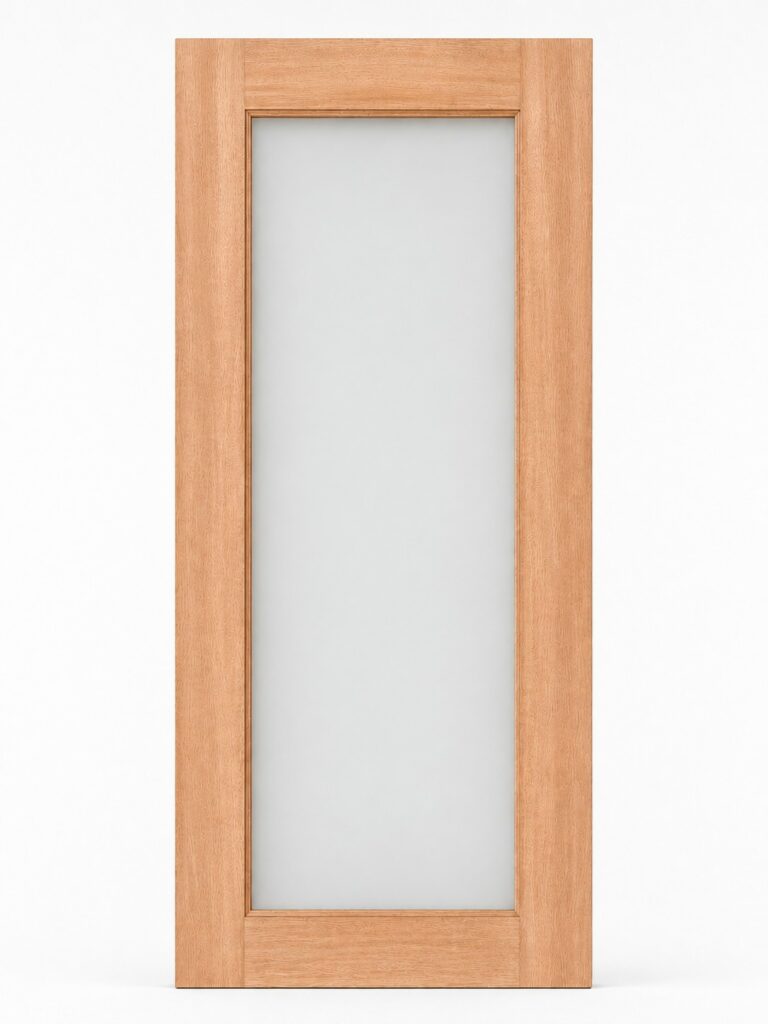
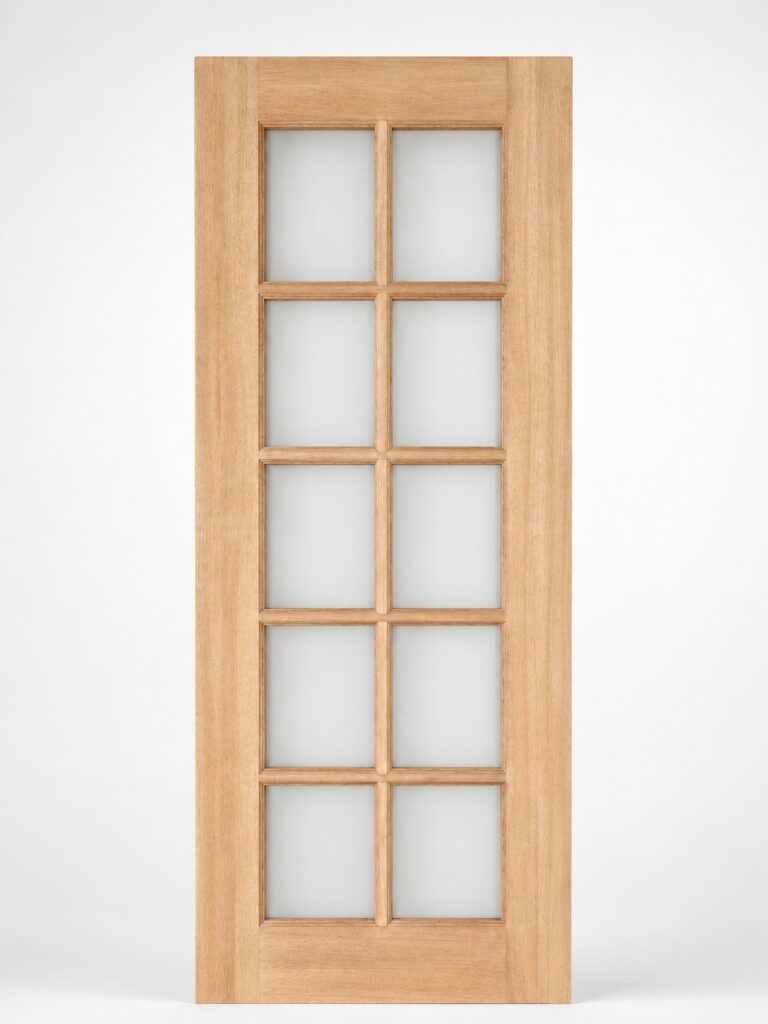
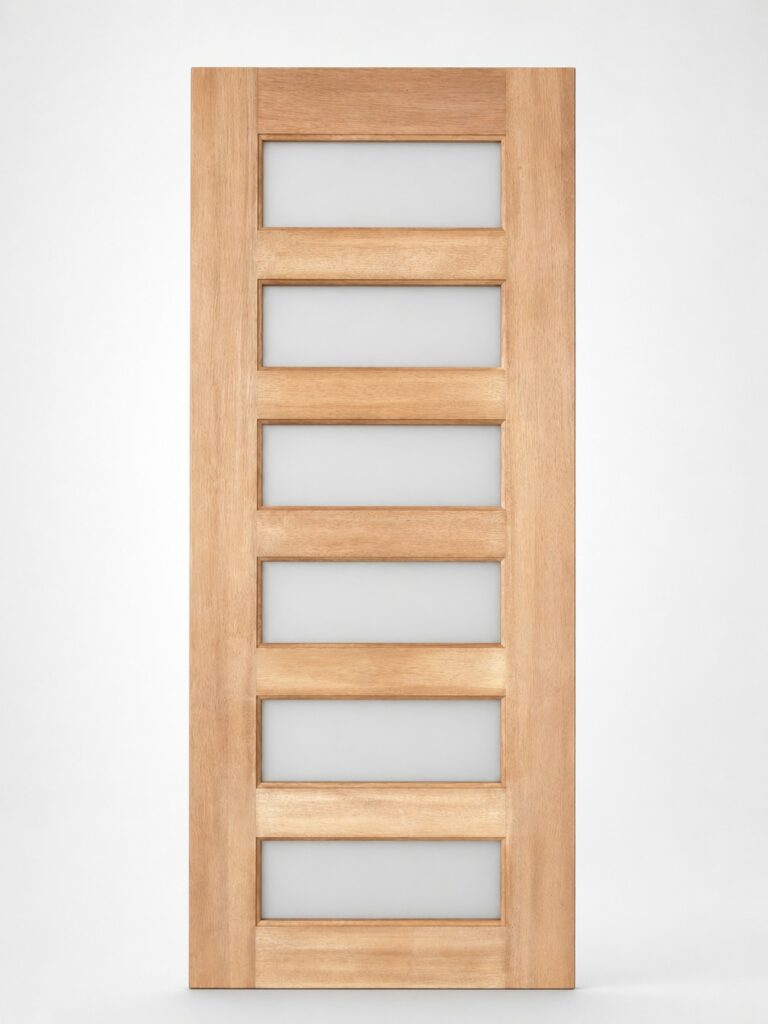
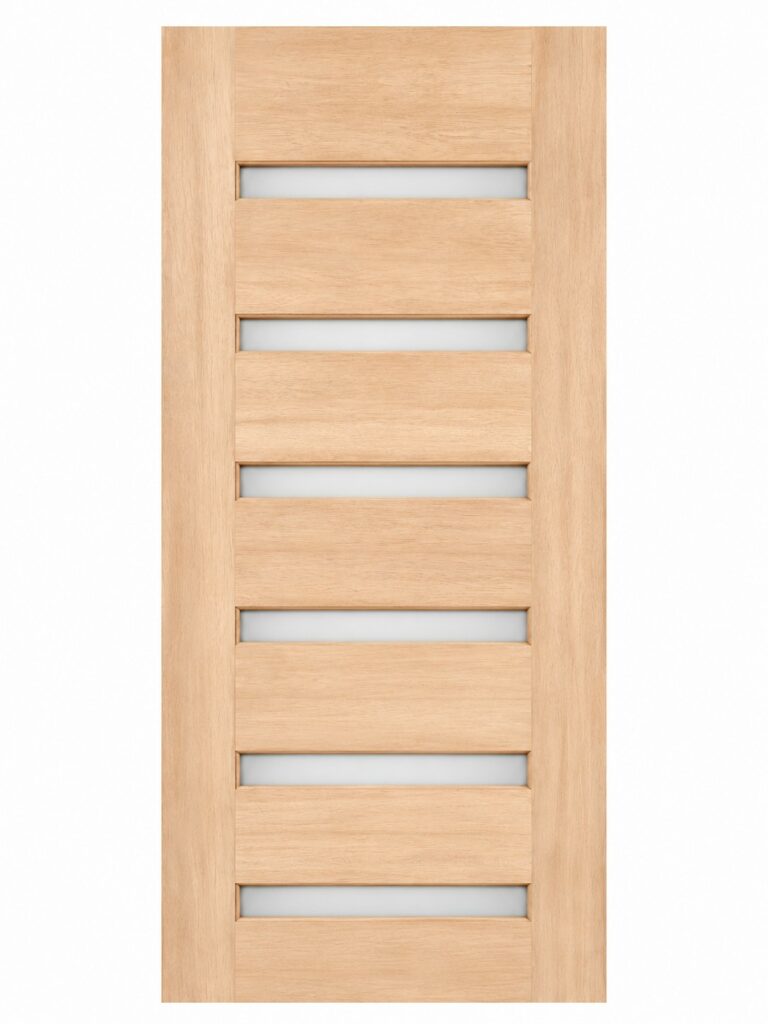
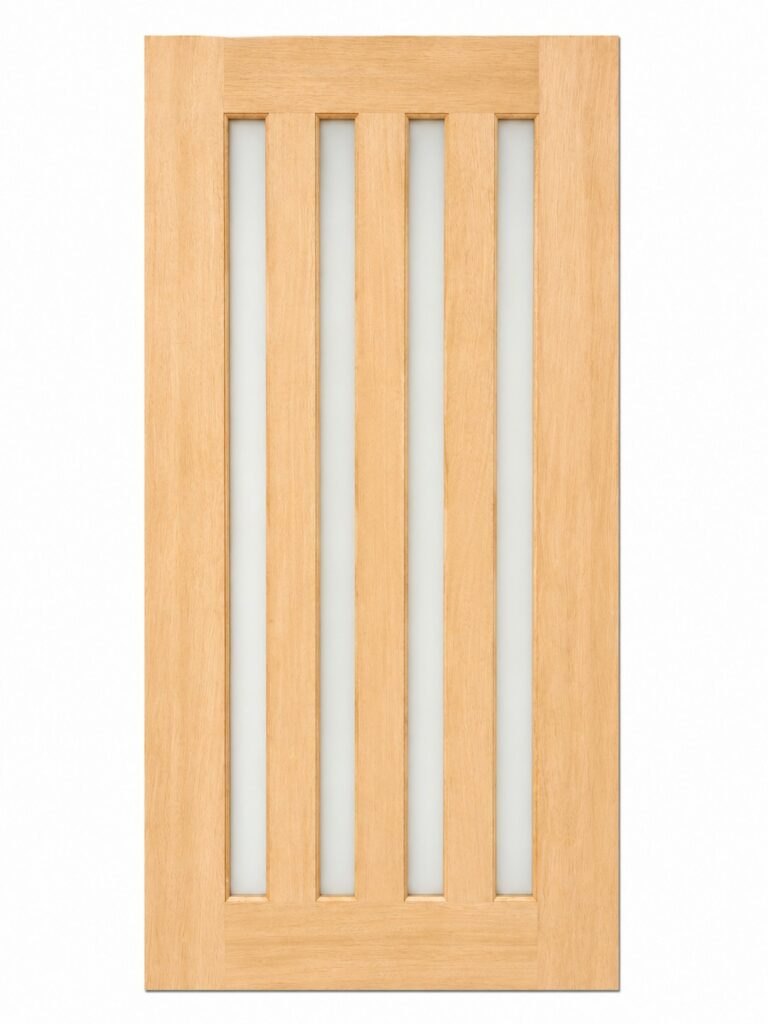
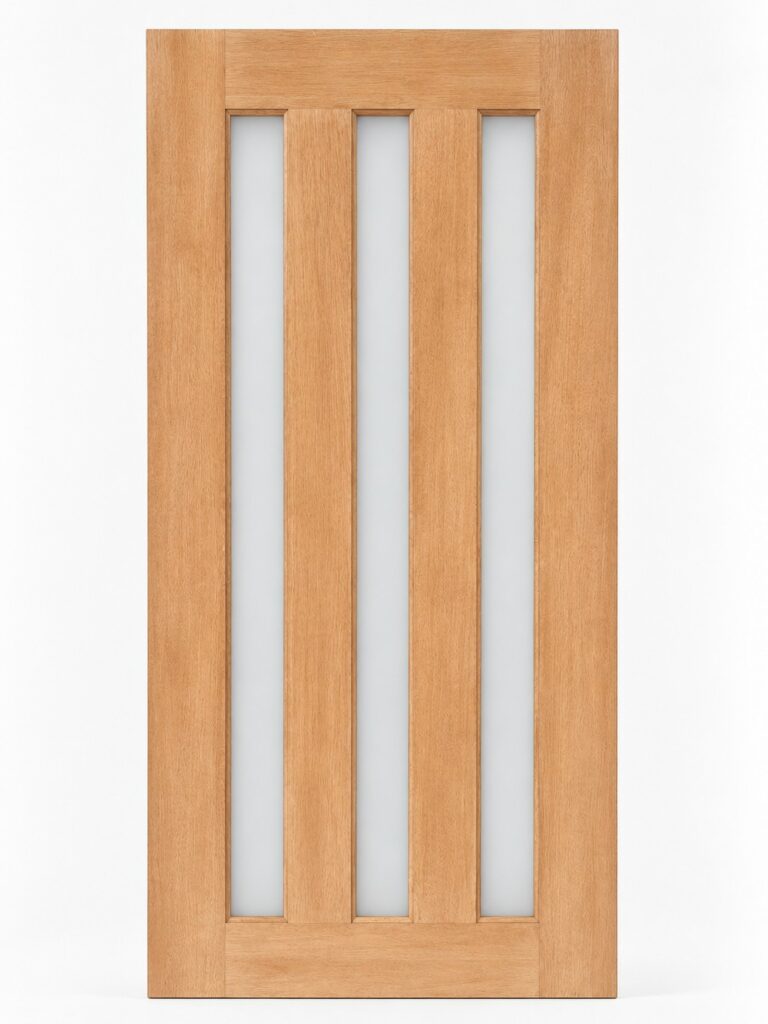
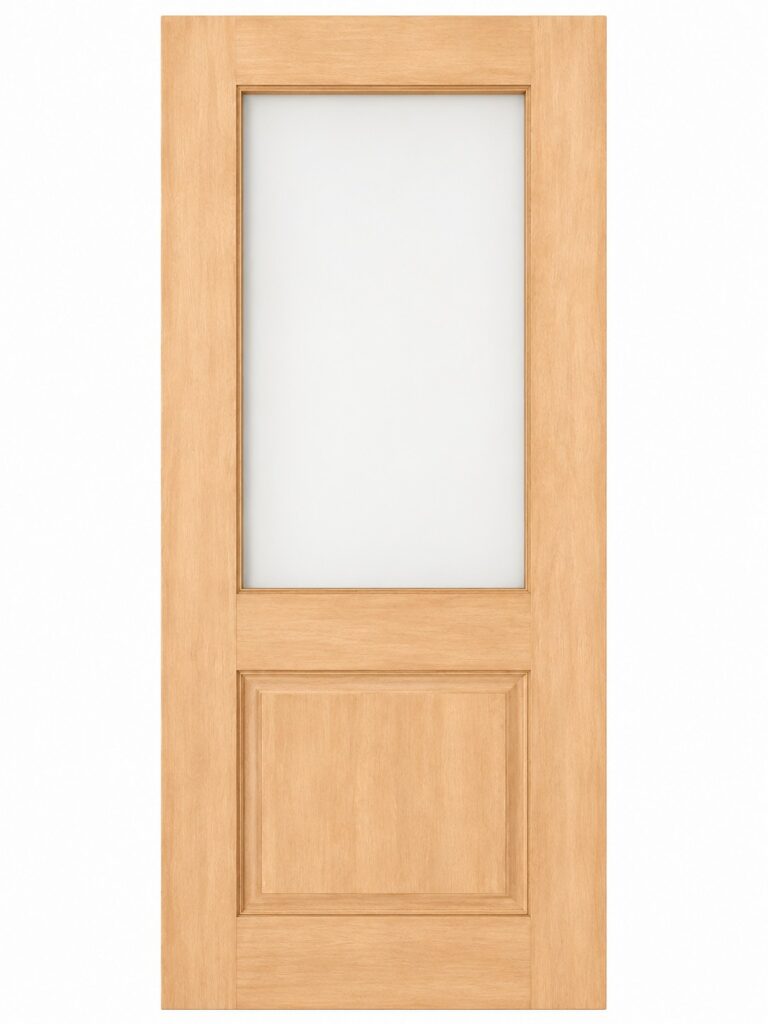
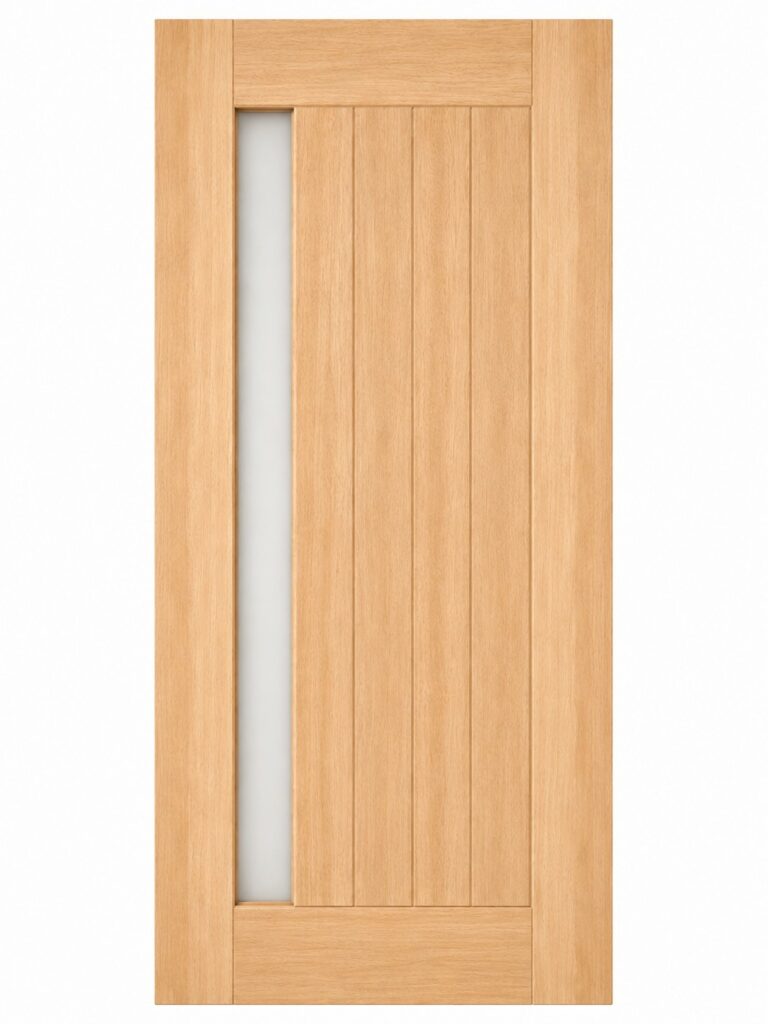
View our door range


Pricing
What It Costs
Standard Replacement
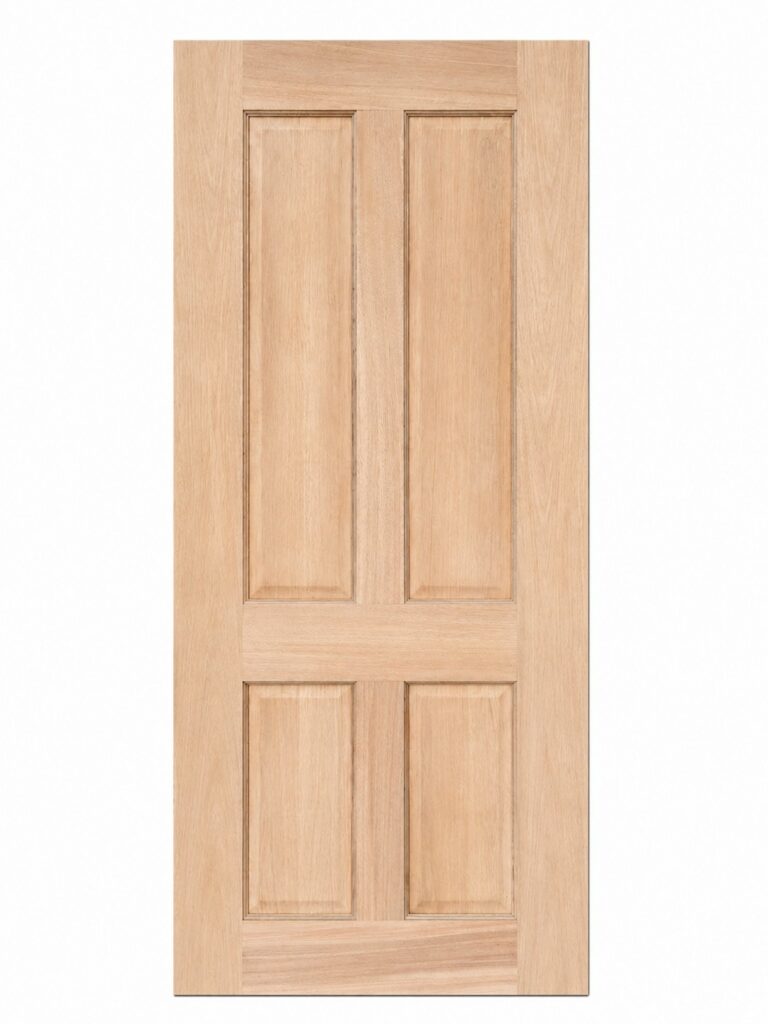
From $1,350 inc GST supplied and installed
Final price depends on door size, frame condition, and extras identified in your photos.
A quality replacement door, properly fitted with new hardware, seals, and alignment. Suitable where the position is sheltered and moisture exposure is moderate.
StormBloc™ Upgrade
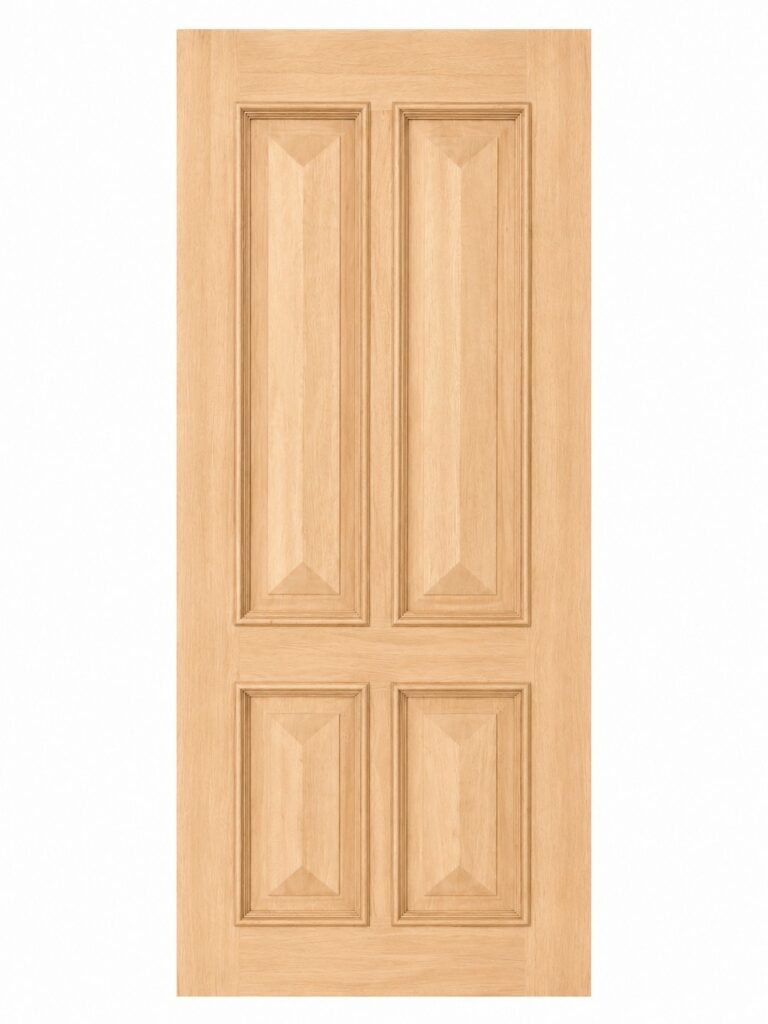
From $2,200 inc GST supplied and installed
Final price depends on door size, frame condition, and extras identified in your photos.
Our recommendation for any door with a history of swelling, or any position exposed to weather. Colorbond steel face with RotGuard™ treated perimeter and engineered composite core. Eliminates the root cause.
All pricing includes supply, fitting, hardware, alignment, and cleanup. If the frame has been damaged by years of a swelling door pressing against it, that’s assessed and addressed as part of the job.
Common Questions
FAQ
Can a swollen door be sorted without replacing it?
Temporarily, yes. Planing or sanding creates clearance, but the timber continues to absorb moisture and the swelling returns. If your door has swollen more than once, replacement is the lasting solution. Each rework removes more material and makes the problem harder to manage.
Why does my door jam in winter but not summer?
Timber absorbs moisture from rain and humidity during the colder months, causing it to expand. In summer, the timber dries and shrinks back. This seasonal cycle puts stress on the door and frame, and it tends to worsen over time. Warping from uneven moisture absorption may not fully reverse when the door dries.
Will a new timber door swell too?
It can, if it faces the same conditions. A well-sealed timber door in a sheltered position may perform well for years. But for exposed positions or doors with a history of swelling problems, we recommend StormBloc™. The Colorbond steel face does not absorb moisture, so swelling is eliminated entirely.
How much does it cost to replace a swollen door?
Standard replacement starts from $1,350 inc GST supplied and installed. StormBloc™ starts from $2,200 inc GST supplied and installed. Both include supply and installation. Final price depends on door size, frame condition, and extras identified in your photos.
My door is rubbing on the floor. Is that swelling?
Usually, yes. The door has absorbed moisture and expanded, causing the bottom edge to drag on the floor or threshold. It can also indicate that the door or frame has shifted over time. An assessment will identify the cause and the right next step.
Don’t Wait
Ready to solve your swollen door for good?
Send us a few photos of your door and we’ll assess the situation. We’ll tell you whether it needs replacing or whether surface rework makes sense for your specific case. Most assessments can be done from photos and measurements alone.
Upload photos and measurements. Takes less than 60 seconds.